
Blog
Is SoftWave Therapy Right for You? A Royersford Patient's Decision Guide

Is SoftWave Therapy Right for You? A Royersford Patient's Decision Guide
If you live in or around Royersford, PA and you have been living with pain that just will not quit, you have probably started asking a harder question than "how do I get through today?" You are asking whether there is a real path forward that does not lead straight to more medication or a surgical consult. SoftWave therapy has become part of that conversation for a lot of people, and it is worth understanding honestly before you decide. This guide is written to help you think it through, not to push you into a chair.
At Beacon of Life Chiropractic in Royersford, Dr. Dan McClimon uses SoftWave TRT as one of the tools for helping patients address the root cause of chronic and soft-tissue pain rather than simply masking it. SoftWave is a non-invasive regenerative approach, and like any care option, it fits some people better than others. The goal here is to help you figure out where you fall.
What SoftWave Therapy Actually Is
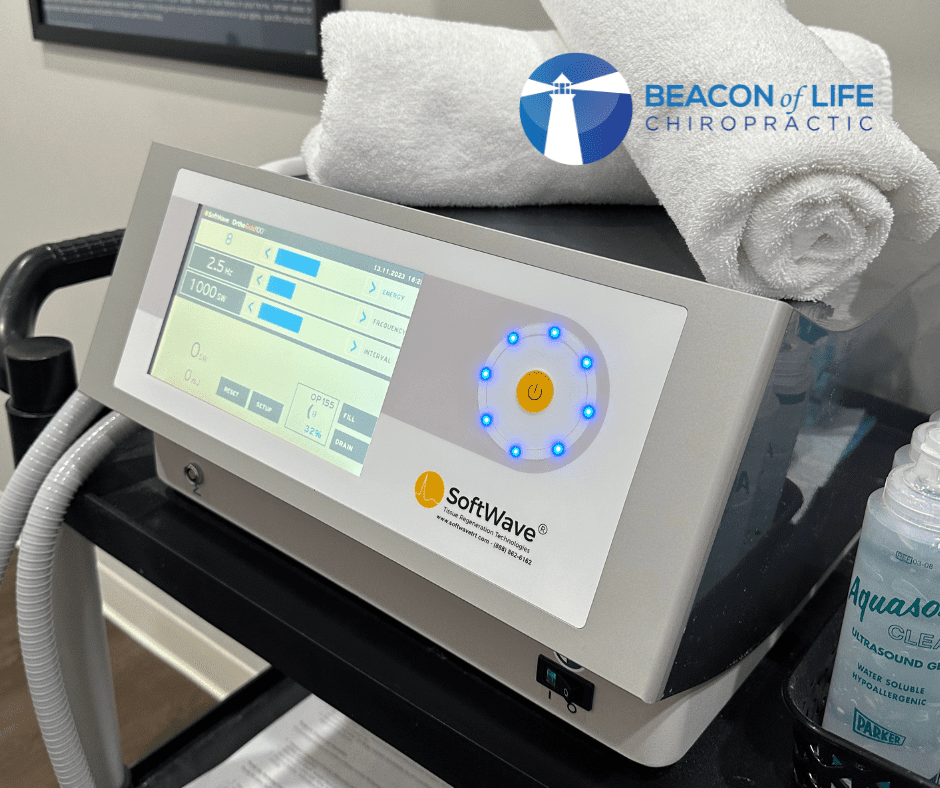
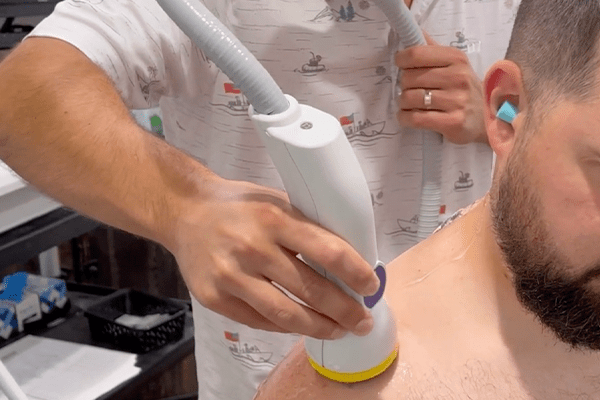
SoftWave TRT delivers broad-focused acoustic waves into tissue using a patented parabolic reflector. It is electrohydraulic and spark-generated, which makes it distinct from radial, electromagnetic, and piezoelectric devices. In plain terms, it is the only broad-focused shockwave technology of its kind, and that broad reach lets the energy penetrate deep enough to reach the areas that tend to hold onto stubborn pain. Sessions are short, usually around ten to fifteen minutes, and there are no needles, no drugs, no surgery, and no downtime afterward.
SoftWave is designed to trigger the body's own healing cascade. It does not deliver medication or replace tissue. Instead, it aims to wake up processes your body already knows how to run, which is a very different idea from the drug-and-manage model many patients feel stuck inside.
Who Tends to Be a Good Candidate
There is no single profile, but certain patterns show up often among people who explore this therapy. You may be a strong candidate to at least ask about SoftWave if you recognize yourself in several of these:
- You have chronic pain that has lasted weeks, months, or years and has not fully resolved with rest or basic care.
- You want to avoid or delay drugs and surgery, or you have tried them and want another option.
- You are dealing with a degenerative condition such as osteoarthritis-related joint pain or age-related wear that keeps flaring up.
- You have a soft-tissue injury like tendon, ligament, or muscle pain that lingers longer than it should.
- You have plateaued with other conservative care and feel like you are managing pain instead of improving.
- You are generally motivated to follow through on a series of visits over several weeks.
Many patients who match this picture report meaningful changes in comfort and function. That said, results vary from person to person, and no honest provider can promise a specific outcome or a cure.
Situations That Call for a Careful Conversation
Being empowered means knowing the limits too. SoftWave is not automatically the right first step for everyone. If your pain came on suddenly with no explanation, if you have signs of infection, if you are pregnant, or if you have certain other medical conditions, those details matter and need to be discussed openly. Dr. McClimon will review your history so that any recommendation actually fits your situation. SoftWave therapy is also not a replacement for medical advice from your physician, especially for serious or undiagnosed conditions. A good candidate conversation is honest in both directions.
How SoftWave Helps at the Cellular Level
One reason people find SoftWave appealing is that the mechanism is about repair rather than suppression. Here is the science in plain language:
- Stem cell activation: the acoustic waves are designed to stimulate your body's resident stem cells and encourage them to migrate toward areas that need attention.
- New blood flow: the therapy is associated with angiogenesis, the growth of new blood vessels, through signaling factors such as VEGF and eNOS.
- Cell proliferation and collagen: markers like PCNA and BMP support the kind of cell activity and collagen building tied to tissue repair.
- Calmer inflammation: SoftWave may help modulate inflammation and regulate toll-like receptors involved in the immune response.
- Cellular cleanup: it is associated with helping clear out senescent, worn-out cells so healthier activity has room to work.
Because these are biological processes that unfold over time, improvement often continues in the weeks and even months after your last session, not just during your appointments.
Questions Worth Asking Before You Commit
Walking into a consultation with the right questions puts you in control. Consider asking:
- Based on my history and exam, do you think I am a reasonable candidate for SoftWave, and why?
- What does a typical series look like for a condition like mine?
- How will we know if it is working, and what happens if it is not?
- How does SoftWave fit alongside the chiropractic care or other treatment I may need?
- What can I realistically expect, and what should I not expect?
A provider who answers these plainly, without overselling, is giving you the respect you deserve in a health decision.
If you are in the Royersford area and these questions are exactly the ones running through your mind, the most useful next move is simply a conversation. Reach out to Beacon of Life Chiropractic to schedule a SoftWave consultation with Dr. Dan McClimon and get answers based on your actual situation rather than guesswork.
What to Expect From the Process
If you and Dr. McClimon decide SoftWave is a fit, the experience is straightforward. A typical plan involves a series of short sessions spread across roughly six to eight weeks. Each visit is brief and comfortable, and because the therapy is non-invasive, you can generally return to your day right afterward. There is no recovery period to schedule around and no medication to manage. Many patients appreciate that they can pursue this alongside their normal routine.
SoftWave has been studied at leading institutions and is used by clinicians who work with professional and collegiate athletes, which speaks to how seriously the technology is taken. Still, the right frame of mind is patience. This is a repair process, so consistency across the full series tends to matter more than any single visit.
Making Your Decision With Confidence
Deciding whether SoftWave therapy is right for you comes down to a few honest reflections. Is your pain chronic or slow to heal? Do you want to explore options before drugs or surgery? Are you willing to commit to a short series and give your body time to respond? If you answered yes, you owe it to yourself to at least get evaluated. If your situation is more complicated, a candid consultation will tell you that too. Either way, information beats uncertainty.
Ready to Take the Next Step?
The clearest way to know if SoftWave therapy is right for you is a personalized evaluation, not a guess from an internet search. Let Dr. Dan McClimon review your history and help you decide with confidence.
Request your SoftWave Therapy new patient visit online today
Contact Beacon of Life Chiropractic
Beacon of Life Chiropractic
70 Buckwalter Road #412
Royersford, PA 19468
Phone: (610) 474-2481
Our Main Office Website: https://www.gobeaconhealth.com
‹ Back



 70 Buckwalter Road #411