
Blog
SoftWave TRT vs. Surgery: When You Can Heal Without the Operating Room

SoftWave TRT vs. Surgery: When You Can Heal Without the Operating Room in Royersford, PA
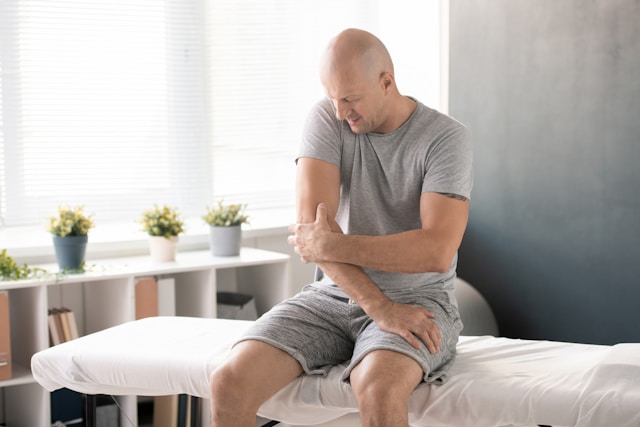
For a lot of people living with stubborn joint, tendon, or muscle pain, the path seems to run in one direction: try a few things, wait, and eventually schedule surgery. Yet many musculoskeletal problems have a middle ground that gets skipped. Before you commit to an operation, anesthesia, and weeks of recovery, it is worth asking a simple question: could your body heal this on its own with the right stimulus? At Beacon of Life Chiropractic in Royersford, PA, Dr. Dan McClimon uses SoftWave Tissue Regeneration Technology (TRT) to help patients explore a non-invasive, no-downtime option before they turn to the operating room.
This is not an argument against surgery. Some conditions genuinely need a surgeon, and this article will be honest about that. The point is that surgery is often treated as the default when it should be one option among several. A conservative first step, tried in the right order, can sometimes save you from a procedure you did not actually need.
Why So Many Conditions Default to Surgery
When conservative care stalls, the next referral is frequently to an orthopedic surgeon. That makes sense in a system built around procedures, but it can shortchange the middle of the treatment ladder. Rest, medication, and basic therapy sit on one end. Surgery sits on the other. In between, there is a whole category of regenerative and non-invasive approaches that many patients never hear about.
Part of the problem is timing. Pain wears people down. After months of limited activity and disrupted sleep, an operation can feel like the only thing left. The trouble is that surgery carries real trade-offs: infection risk, scar tissue, rehabilitation time, and no guarantee that the underlying tissue will behave better afterward. For the right diagnosis those trade-offs are worth it. For others, they may be avoidable.
Conditions Often Worth a Conservative Look First
Several common complaints are frequently steered toward surgery even though many people respond to non-invasive care. These may be worth discussing with Dr. McClimon before you schedule anything invasive:
- Chronic tendon issues such as plantar fasciitis, Achilles tendinopathy, and tennis or golfer's elbow.
- Nagging shoulder pain, including rotator cuff irritation that has not fully torn.
- Knee pain from wear, tendinopathy, or soft-tissue strain.
- Hip and gluteal tendon pain that limits walking and stairs.
- Lingering low back and neck pain tied to muscles, ligaments, and joints.
SoftWave TRT is designed to stimulate the body's own repair response in exactly these kinds of soft-tissue and joint-related problems. It is not a fit for every situation, which is why an honest evaluation comes first.
When Surgery Really Is the Right Call
Being responsible means naming the limits clearly. Some situations do call for a surgeon, and no acoustic wave therapy changes that. A complete tendon rupture, a badly unstable joint, a fracture that will not align, advanced structural damage, or a progressive nerve compression that threatens function can all require operative repair. Certain tumors and serious injuries obviously need surgical care as well.
SoftWave is best understood as a conservative first step to explore, not a replacement for necessary surgery and not a substitute for the advice of your medical team. If your evaluation points to a problem that surgery is uniquely suited to fix, the right move is to move forward with it. The goal is simply to make sure you have looked at reasonable alternatives before that door is the only one open.
How SoftWave TRT Helps Without an Incision
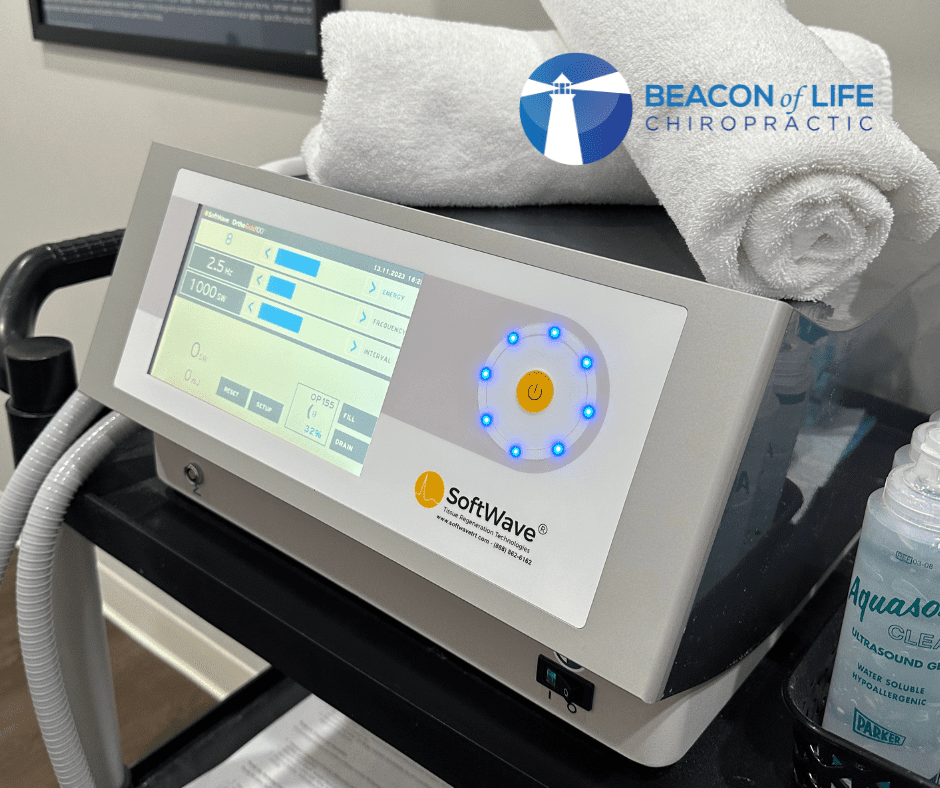
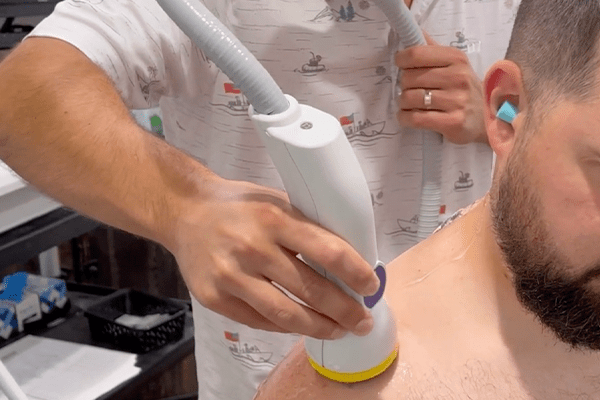
SoftWave TRT uses electrohydraulic, spark-generated acoustic waves delivered through a patented parabolic reflector. That design produces a broad-focused shockwave, which is different from radial, electromagnetic, and piezoelectric devices. The waves penetrate deep into tissue and are intended to trigger the body's natural healing cascade rather than mask a symptom.
In plain language, the therapy is designed to encourage the following biological responses:
- Activation and migration of the body's own resident stem cells toward the treated area.
- Angiogenesis, the formation of new blood vessels, supported by signaling such as VEGF and eNOS.
- Cell proliferation and collagen-related activity through pathways including PCNA and BMP.
- Modulation of inflammation and regulation of toll-like receptors.
- Clearance of aged, senescent cells so healthier tissue can take over.
None of this involves needles, drugs, incisions, or downtime. Sessions typically run about 10 to 15 minutes, and most people go through a series over roughly 6 to 8 weeks. Because the therapy works by prompting your own repair processes, healing may continue for weeks to months after your final visit. Many patients report gradual, steady improvement rather than an overnight fix.
Comparing the Two Paths
The contrast is worth laying out plainly. Surgery physically alters or repairs tissue and can be the decisive answer for structural damage, but it comes with anesthesia, recovery, and rehab. SoftWave TRT takes a different approach: it aims to regenerate and support tissue from the inside, with no anesthesia, no missed work from a recovery bed, and no surgical scar. You can usually return to your day right after a session.
Cost and disruption matter too. An operation often means time off, help at home, and a long rehabilitation arc. A course of SoftWave sessions fits more easily into normal life. For many Royersford patients, trying the conservative option first is a low-risk way to find out whether they can avoid the bigger step entirely. If it does not deliver enough relief, surgery remains available, and you will have lost far less than if you had rushed into it.
If you are staring down a recommendation for surgery and wondering whether you have looked at every reasonable option, talk with Dr. Dan McClimon before you decide. Schedule a SoftWave TRT consultation in Royersford to see whether a conservative approach makes sense for your condition.
What to Expect at Beacon of Life Chiropractic
Your visit starts with a real conversation and an exam, not a sales pitch for a single solution. Dr. McClimon will review your history, look at your imaging when relevant, and give you a straight answer about whether SoftWave TRT is reasonable for your situation or whether you should be talking to a surgeon instead. SoftWave has been studied at leading institutions and is used by clinicians who work with professional and collegiate athletes, but the honest measure that matters is your response over your series of sessions.
The technology is FDA-cleared for uses including activation of connective tissue, a temporary increase in blood flow, and temporary relief of minor muscle and joint pain. It is designed to support your body's healing, and results vary from person to person. No responsible provider will guarantee a cure, and Dr. McClimon will be candid with you about what is realistic.
Ready to Take the Next Step?
Before you sign up for the operating room, find out whether your body can do more of the healing on its own. A conservative SoftWave TRT evaluation is a low-risk way to explore your options in Royersford.
Request your SoftWave Therapy new patient visit online today
Contact Beacon of Life Chiropractic
Beacon of Life Chiropractic
70 Buckwalter Road #412
Royersford, PA 19468
Phone: (610) 474-2481
Our Main Office Website: https://www.gobeaconhealth.com
‹ Back


 70 Buckwalter Road #411