
Blog
SoftWave Therapy for Chronic Diabetic Foot Ulcers: A Non-Invasive Path to Wound Healing
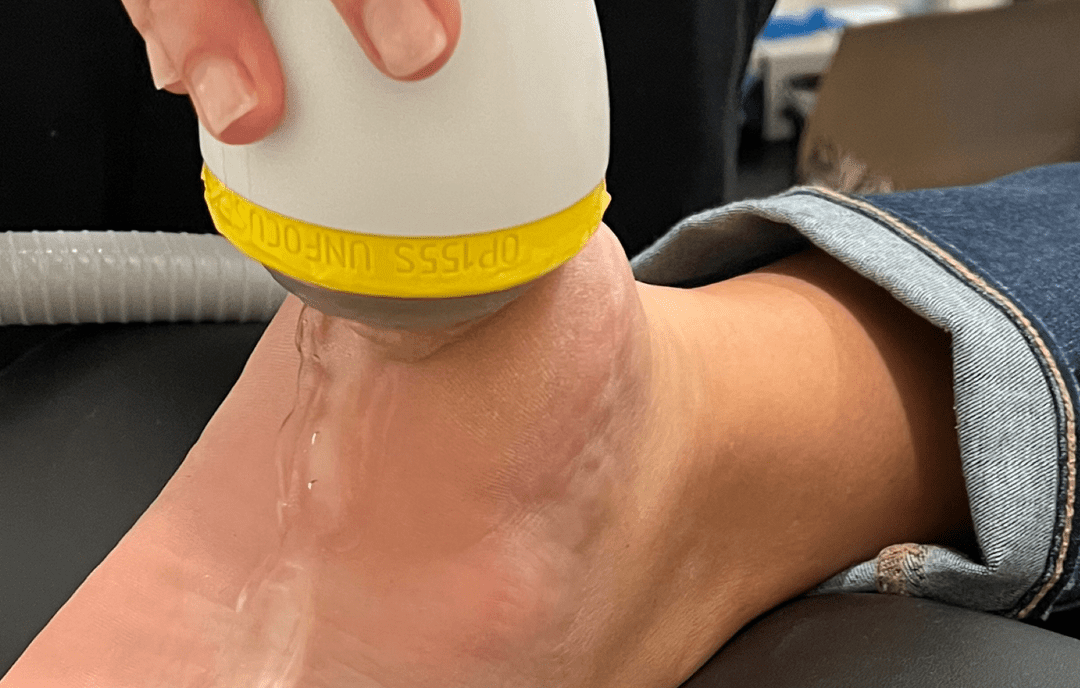
Struggling With a Diabetic Foot Ulcer That Will Not Heal? A Royersford Look at SoftWave Therapy
Few health problems feel more frustrating than a wound that simply refuses to close. For people living with diabetes in Royersford, PA and the surrounding communities, a chronic foot ulcer can linger for weeks or months, interfere with daily life, and raise real concerns about infection and mobility. If you or a loved one has been managing an open sore on the foot that just is not improving, you are not alone, and you are right to take it seriously. This article looks at how SoftWave Tissue Regeneration Technology (TRT) may fit into a broader, medically guided plan for chronic diabetic foot ulcers, and why coordinated care matters so much.
Before going further, one point deserves to be stated clearly and up front: a diabetic foot ulcer is a serious medical condition. SoftWave therapy is intended to be used alongside, not instead of, the care provided by your physician, podiatrist, and wound-care team. Nothing here is a promise of healing, and nothing here should replace the advice of the professionals already treating you.
Meet Beacon of Life Chiropractic in Royersford
At Beacon of Life Chiropractic, Dr. Dan McClimon works with patients throughout the Royersford area who are searching for non-invasive options to support their health and recovery. SoftWave TRT is one of the tools offered in the office, and it is applied thoughtfully as part of a patient's overall picture. Because diabetic foot ulcers require careful oversight, Dr. McClimon encourages patients to keep their physician and wound-care providers fully involved, so that any SoftWave sessions complement the treatment plan already in place rather than working in isolation.
Why Diabetic Foot Ulcers Are So Difficult to Heal
Diabetes can affect the body's ability to heal in several overlapping ways. Elevated blood sugar over time may reduce circulation, meaning less oxygen and fewer nutrients reach the tissues of the feet. Nerve changes, often called neuropathy, can dull sensation, so a small blister or pressure point may go unnoticed until it becomes a larger wound. Reduced blood flow and a slowed healing response can then allow that wound to persist. This is why so much of modern diabetic wound care focuses not only on the sore itself but also on the circulation and tissue environment around it.
Standard care for a chronic diabetic foot ulcer typically includes several important pillars: keeping blood sugar well managed, relieving pressure on the wound (often called offloading), regular debridement and dressing changes, watching closely for infection, and choosing appropriate footwear. These fundamentals are essential, and SoftWave is not a substitute for any of them. Instead, the question worth asking is whether a technology designed to support the body's own healing signals and local blood flow might add value on top of that established foundation.
What SoftWave Therapy Is
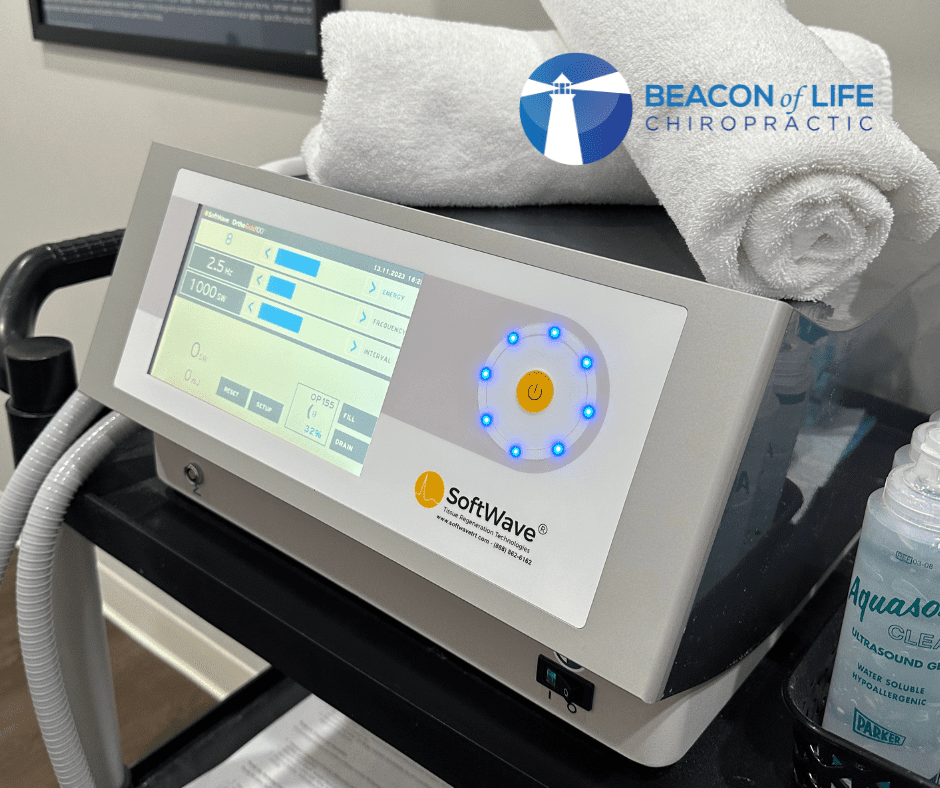
SoftWave TRT is a form of shockwave therapy, but it is distinct from the radial, electromagnetic, and piezoelectric devices many people have heard about. SoftWave uses electrohydraulic, spark-generated acoustic waves that pass through a patented parabolic reflector to create a broad-focused wave. It is currently the only broad-focused shockwave of its kind. These waves are designed to penetrate deep into tissue and help stimulate the body's natural healing cascade, all without needles, drugs, surgery, or downtime.
The FDA Clearances That Apply Here
This is one area where diabetic foot ulcers stand apart from many other topics. SoftWave technology holds FDA clearances that are directly relevant to wound care. Specifically, SoftWave is FDA-cleared for the treatment of chronic diabetic foot ulcers and for a temporary increase in local blood flow, in addition to clearances for activation of connective tissue, temporary relief of minor muscle and joint pain, and treatment of acute second-degree burns.
It is important to read those clearances accurately. A clearance for the treatment of chronic diabetic foot ulcers does not mean guaranteed wound closure, and it does not mean SoftWave replaces your wound-care team. What it does mean is that this application has been recognized within a regulatory framework, which is a meaningful distinction and a reason many patients and providers consider it as a supportive part of a coordinated plan.
How SoftWave May Support Wound Healing
SoftWave is designed to work with the body rather than against it. In plain language, here are some of the biological responses researchers associate with this kind of broad-focused acoustic wave therapy:
- Angiogenesis: the formation of new blood vessels, supported by signaling molecules such as VEGF and eNOS, which relates directly to circulation in the healing tissue.
- Temporary increase in local blood flow: helping deliver oxygen and nutrients to the area, an effect reflected in the FDA clearance noted above.
- Resident stem cell activation: encouraging the body's own repair cells to become active and migrate toward the area of need.
- Cell proliferation and collagen support: associated with factors like PCNA and BMP that play roles in building and rebuilding tissue.
- Modulation of inflammation: helping to balance the inflammatory environment that can otherwise stall a chronic wound.
These mechanisms describe how the therapy is designed to function. They are not a promise about your specific outcome. Individual results vary, and healing depends on many factors, including blood sugar control, the severity of the wound, and the rest of your care plan.
If a stubborn diabetic foot ulcer has you worried and you want to understand whether SoftWave could reasonably fit alongside your current wound care, the most responsible next step is a conversation. Reach out to Beacon of Life Chiropractic in Royersford to discuss your situation and coordinate with your medical team.
What a Session Is Like
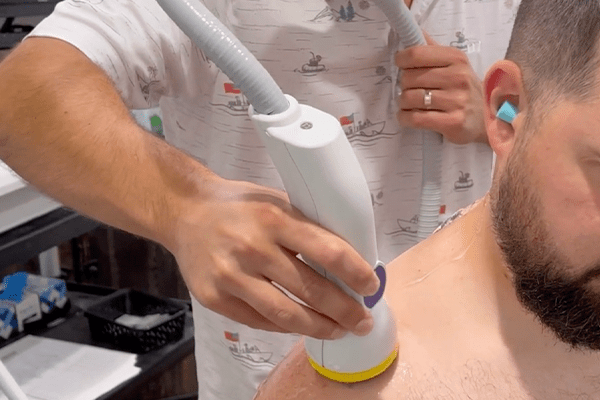
SoftWave sessions are non-invasive and generally brief, often around ten to fifteen minutes. There are no needles, no medications, and no surgical steps involved, and there is typically no downtime afterward. Many patients receive a series of sessions spread over roughly six to eight weeks, and it is worth knowing that the body's healing response can continue in the weeks and months following the last session. Your provider will tailor any recommendation to your individual needs and, ideally, in dialogue with the physician overseeing your diabetes and wound care.
Coordinated Care Is the Priority
Because diabetic foot ulcers can lead to severe complications when neglected, the safest and most effective approach is a team approach. Keep attending your regular wound-care appointments. Continue your prescribed treatments, offloading, and blood sugar management. Report any signs of worsening, such as increased redness, warmth, swelling, odor, or drainage, to your medical provider right away. SoftWave, when appropriate, is meant to be one supportive layer within that larger, professionally guided effort.
Questions to Bring to Your Consultation
If you are considering SoftWave for a chronic diabetic foot ulcer, it can help to arrive prepared. Consider asking about how the therapy would work together with your existing wound-care plan, what a realistic series of sessions might look like, and how progress would be monitored in cooperation with your physician. Dr. Dan McClimon can talk through these questions and help you understand whether this option is a sensible fit for your circumstances.
Ready to Take the Next Step?
A diabetic foot ulcer deserves careful, coordinated attention, and you do not have to sort through your options alone. Connect with Dr. Dan McClimon in Royersford to explore whether SoftWave therapy could support your wound-care plan, always in partnership with your physician and medical team.
Request your SoftWave Therapy new patient visit online today
Contact Beacon of Life Chiropractic
Beacon of Life Chiropractic
70 Buckwalter Road #412
Royersford, PA 19468
Phone: (610) 474-2481
Our Main Office Website: https://www.gobeaconhealth.com
‹ Back




 70 Buckwalter Road #411