
Blog
The Science of Angiogenesis: How SoftWave Restores Blood Flow to Injured Tissue
Why Poor Blood Flow Keeps Royersford Injuries From Healing
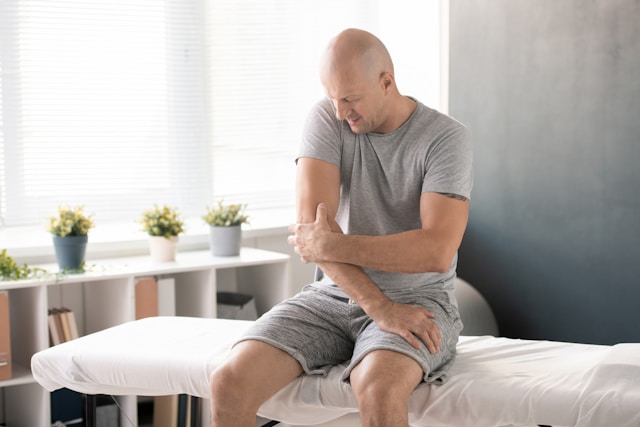
If you live in Royersford, PA and have been nursing a stubborn injury that just will not turn the corner, the problem may be simpler than you think, and also harder to fix on your own. Damaged tissue needs a steady supply of oxygen, nutrients, and immune cells to rebuild itself. When circulation to that area is limited, the repair process slows down or stalls. This is one of the most overlooked reasons a shoulder, knee, or tendon injury can linger for months. At Beacon of Life Chiropractic, Dr. Dan McClimon uses SoftWave TRT to address this root problem directly by helping the body build fresh circulation into areas that need it most.
The technology at the center of this approach targets a process called angiogenesis, the formation of new blood vessels. Understanding how it works can help you see why better blood flow is often the missing piece for chronic injuries, and why so many patients report progress after other approaches came up short.
What Angiogenesis Actually Is
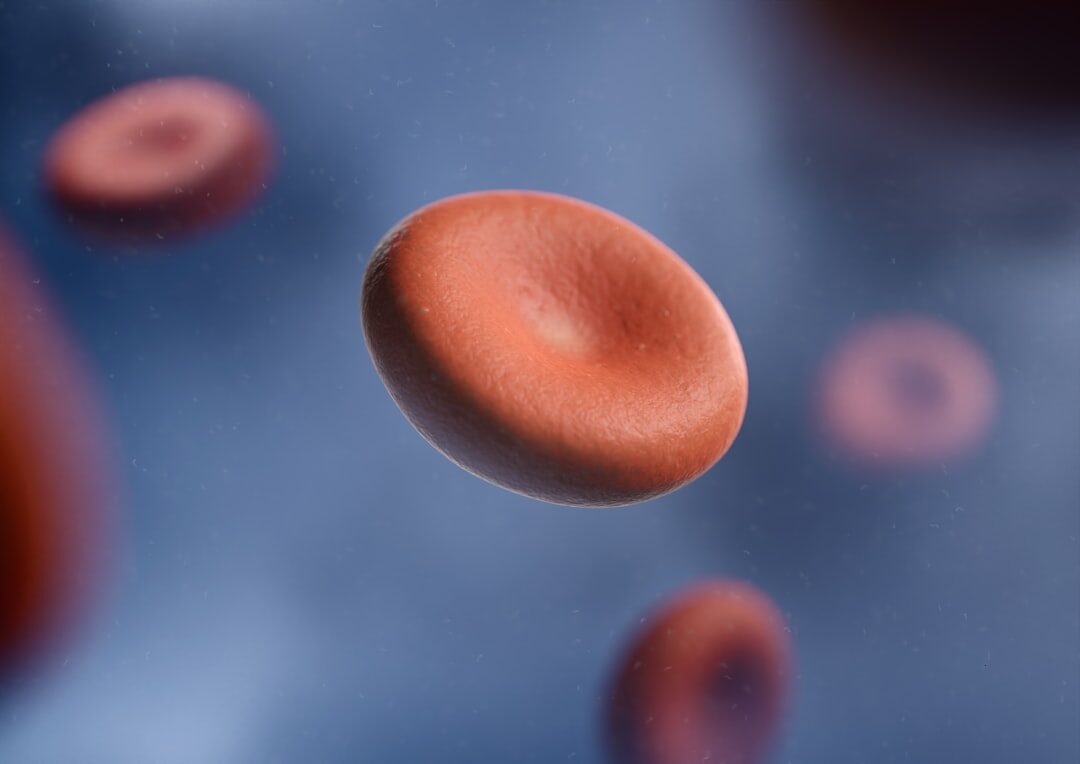
Angiogenesis is your body's natural ability to grow new blood vessels from existing ones. It is a normal part of healing. When you injure soft tissue, your body is supposed to sprout tiny new capillaries into the damaged zone, delivering the oxygen and building blocks that repair needs. In a healthy, well-supplied area, this happens efficiently. The trouble comes with chronic injuries and areas that naturally have poor circulation, such as tendons, ligaments, and cartilage. These tissues often heal slowly precisely because blood does not reach them easily.
When circulation is inadequate, cells in the injured region are essentially starved. They cannot get enough oxygen, they cannot clear waste efficiently, and the raw materials for rebuilding collagen and other structures arrive too slowly. The result is a repair process that drags on, sometimes leaving you with pain and stiffness that seem to have no end. Restoring blood flow gives the body the resources it needs to move forward.
How SoftWave Encourages New Blood Vessels
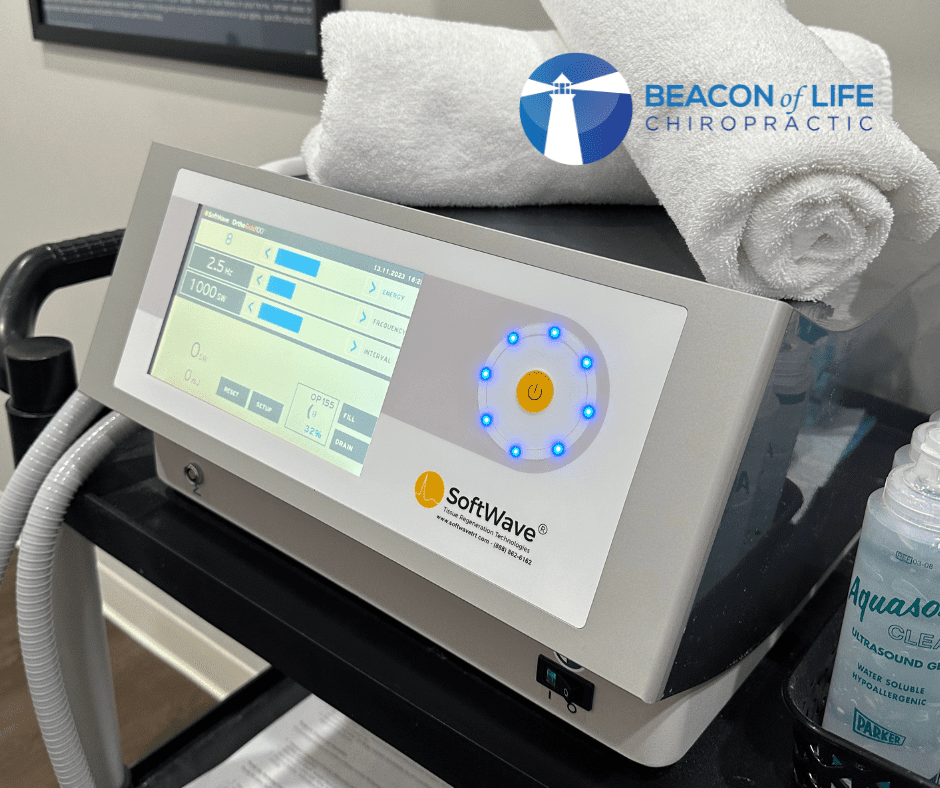
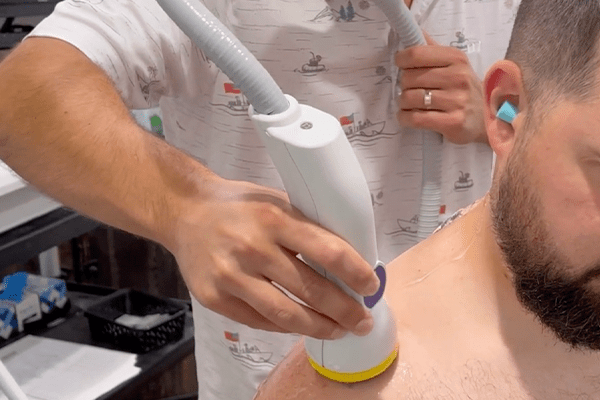
SoftWave TRT is designed to jump-start this circulation process. It uses electrohydraulic, spark-generated broad-focused acoustic waves delivered through a patented parabolic reflector. This makes it different from radial, electromagnetic, and piezoelectric devices, and it is the only broad-focused shockwave of its kind. The broad-focused wave penetrates deep into tissue and spreads its energy across a wider area, which is well suited to triggering the body's own healing cascade rather than simply massaging the surface.
Two of the key signals involved in angiogenesis are worth knowing by name. The first is VEGF, which stands for vascular endothelial growth factor. Think of VEGF as a chemical message that tells the body to start building new blood vessels. The second is eNOS, endothelial nitric oxide synthase, which helps relax and widen vessels so blood can flow more freely. SoftWave's acoustic waves are designed to stimulate these signals in the treated area, which supports the growth of new capillaries and improved circulation right where an injury is trying to heal.
How SoftWave Helps Restore Blood Flow
- Stimulates VEGF: The acoustic energy is designed to prompt the release of vascular endothelial growth factor, the signal that encourages new blood vessels to form.
- Supports eNOS activity: This helps blood vessels relax and widen, so more oxygen-rich blood can reach the injured tissue.
- Boosts local circulation: As new capillaries develop, oxygen and nutrients can be delivered more efficiently to cells that were previously undersupplied.
- Supports the broader healing cascade: Better blood flow works alongside SoftWave's other effects, including resident stem cell activation and the modulation of inflammation, to create conditions where repair can move forward.
It is important to be clear-eyed here. SoftWave is not a magic switch, and no responsible provider can guarantee a cure. What the therapy is designed to do is help create a better healing environment by improving circulation and activating your body's natural repair mechanisms. Many patients report meaningful relief as that environment improves over a series of sessions.
Why Better Blood Flow Matters for Chronic Injuries
Chronic injuries are so frustrating in part because they exist in a kind of holding pattern. The initial damage never fully resolved, inflammation may have become low grade and persistent, and the area may simply not be getting enough circulation to break the cycle. By encouraging angiogenesis, SoftWave aims to change the underlying conditions rather than only masking symptoms.
When fresh blood vessels form and circulation improves, several helpful things can follow. Oxygen delivery rises, which cells need to function and rebuild. Nutrient delivery improves, supplying the materials for new collagen and healthy tissue. Waste and inflammatory byproducts can be cleared more effectively. Together these shifts may help a stalled injury finally begin to progress. This is why circulation is such a central theme for tendons, joints, and other slow-healing structures.
If you have been wondering whether your Royersford area injury is stuck because of poor blood flow, this is exactly the kind of question the team at Beacon of Life Chiropractic can help you explore. Reach out to schedule a SoftWave consultation and find out whether improving circulation to your injured tissue could be the piece you have been missing.
What to Expect From SoftWave Sessions
One of the appealing features of this therapy is how straightforward the experience is. SoftWave TRT is non-invasive, with no needles, no drugs, no surgery, and no downtime. Individual sessions typically last around ten to fifteen minutes, and most people undergo a series of treatments over roughly six to eight weeks. Because you are encouraging your body to build new circulation and repair tissue, healing often continues to progress for weeks and even months after your final session.
The technology behind SoftWave has been studied at leading institutions and is used by clinicians who work with professional and collegiate athletes, which speaks to the seriousness of the approach. That said, results vary from person to person, and SoftWave is meant to work with your body rather than replace sound medical care. Dr. McClimon can help you understand what is realistic for your specific situation.
Is SoftWave Right for Your Injury?
SoftWave may be worth considering if you have a lingering soft-tissue injury, ongoing joint or muscle discomfort, or an area that simply has not healed the way you hoped. Because improved blood flow supports so many aspects of recovery, the therapy can be relevant across a wide range of chronic complaints. The best way to know is a conversation and an evaluation with a provider who understands the science.
Ready to Take the Next Step?
If a nagging injury has resisted every other approach, restoring healthy blood flow to the tissue may be the key that finally gets your recovery moving. Reach out today and discover how SoftWave therapy could support your body's natural ability to heal.
Request your SoftWave Therapy new patient visit online today
Contact Beacon of Life Chiropractic
Beacon of Life Chiropractic
70 Buckwalter Road #412
Royersford, PA 19468
Phone: (610) 474-2481
Our Main Office Website: https://www.gobeaconhealth.com
‹ Back



 70 Buckwalter Road #411